
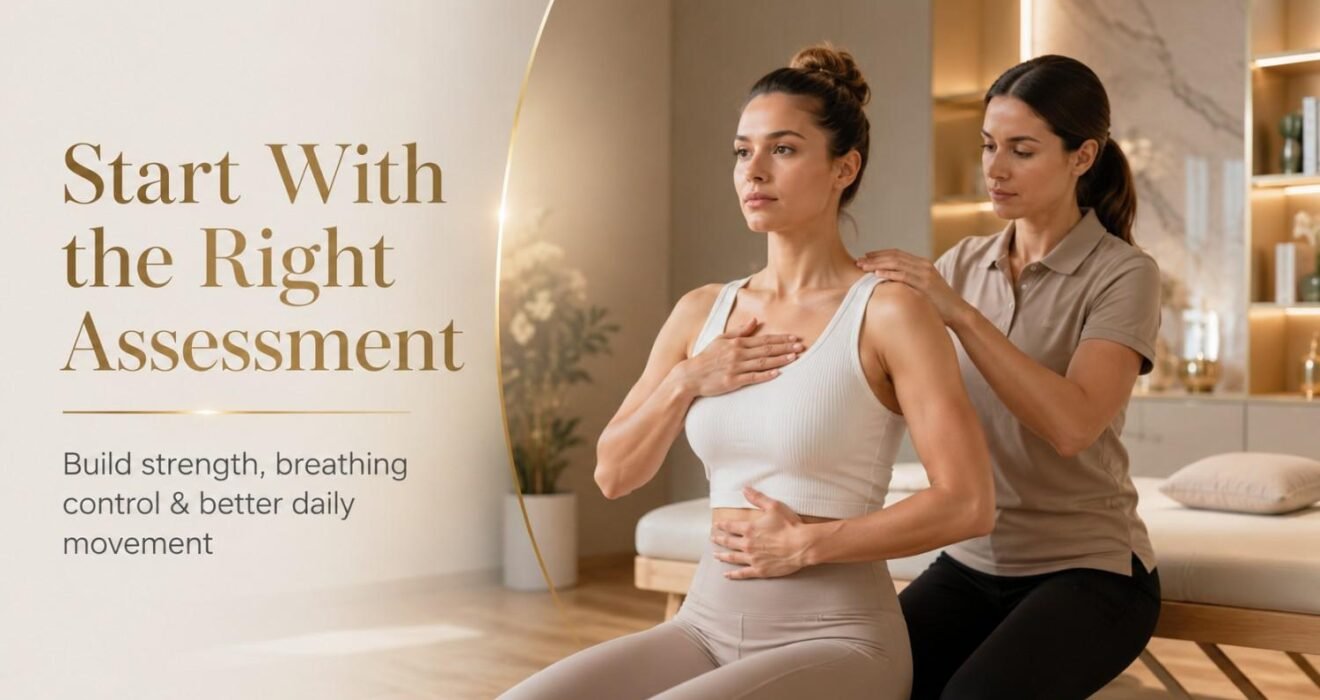
Scoliosis Physiotherapy in Delhi | Schroth Spine Correction Rehab
Scoliosis Physiotherapy in Delhi, Scoliosis is a condition where the spine curves sideways, often accompanied by a twist. It can affect people of all ages but commonly develops in children and adolescents during growth spurts. Many people with scoliosis experience back pain, uneven shoulders or hips, and posture changes. While there is no simple “cure” for scoliosis, physiotherapy offers a way to manage symptoms and improve function. In Delhi, specialized clinics like Physioveda India in Vasant Vihar provide expert scoliosis physiotherapy and rehabilitation tailored to each individual’s needs.
What is Scoliosis Physiotherapy in Delhi?

Scoliosis Physiotherapy in Delhi. Scoliosis involves an abnormal lateral (sideways) curvature of the spine. In a normal spine viewed from the back, the vertebrae should form a straight line. In scoliosis, the spine has an S-shaped or C-shaped curve, and it may also twist or rotate slightly. Scoliosis can be idiopathic (with no known cause, especially common in adolescents) or due to other factors like neuromuscular conditions, congenital spine anomalies, or injuries.
- Cobb Angle: Doctors use spinal X-rays to measure the Cobb angle, which determines the degree of curvature. A Cobb angle greater than 10 degrees is typically considered scoliosis. The larger the angle, the more severe the curve.
- Curve Patterns: Curves can occur in the thoracic (upper/mid-back) or lumbar (lower back) spine, or both. For example, an “S-curve” means the spine curves in opposite directions in the thoracic and lumbar regions.
- Progression: Scoliosis often progresses during growth periods. Mild curves may remain stable, but larger curves or those that develop in a growing child can worsen without management. Monitoring is important, especially during adolescence.
Understanding the nature of the curve is the first step. A scoliosis specialist or physiotherapist will perform a physical exam and imaging to diagnose scoliosis accurately. Early detection, especially in children and teens, means interventions like physiotherapy can be most effective in slowing progression and improving posture.
Scoliosis Physiotherapy in Delhi: Symptoms and Diagnosis
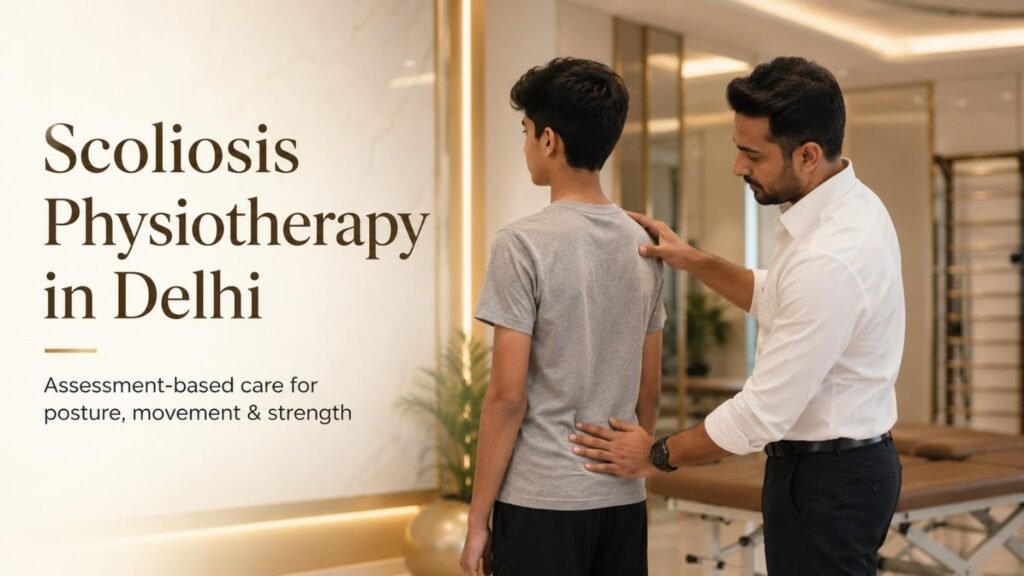
Scoliosis physiotherapy in Delhi symptoms vary widely. Many people notice a change in posture: one shoulder blade may stick out more, or one hip may seem higher. Other signs include:
- Uneven shoulders or waist: One shoulder or hip appears higher than the other.
- Back pain or discomfort: Muscle strain or imbalance can cause pain, especially after standing or sitting for a long time.
- Visible curve: When bending forward, the curve in the spine or a rib hump may become more obvious.
- Restricted movement: Reduced flexibility or difficulty twisting the torso.
- Breathing issues (rare): In very severe curves, the ribcage can press on the lungs, making breathing harder.
If you or your child shows signs of scoliosis, a proper evaluation is important. A specialist will check posture and alignment. If needed, an X-ray confirms the curve’s presence and severity. Early evaluation (for example, during a growth spurt) means less invasive treatments like physiotherapy have the best chance to help. Catching scoliosis early can often make management easier and more effective.
How Physiotherapy Helps Scoliosis Treatment in Delhi

Scoliosis Physiotherapy in Delhi. Physiotherapy does not promise to “fix” scoliosis or fully straighten the spine. Instead, scoliosis physiotherapy aims to manage the condition, reduce discomfort, and improve daily function. A trained physiotherapist assesses the spinal curve and related muscle imbalances to design a personalized exercise and therapy program. Here’s how it helps:
- Postural Training: Exercises teach the body to hold a more balanced posture. Over time, this can help the muscles on one side of the curve become stronger and the spine more aligned during everyday activities.
- Muscle Strengthening: Strengthening weak muscles around the spine and core helps provide better support. A strong back and abdominal muscles can stabilize the spine, reducing the risk of the curve worsening.
- Flexibility and Mobility: Stretching tight muscles, especially on the side of the curve that is shorter (concave side), improves flexibility. Increased mobility can relieve tension and may help reduce pain.
- Pain Management: Targeted exercises and manual therapy techniques (like gentle joint mobilizations) can reduce muscle tightness and ease chronic pain.
- Breathing Exercises: In scoliosis, lung expansion can be limited on one side. Specialized breathing exercises help expand the ribcage on the collapsed side of the curve, improving breathing capacity and chest mobility.
- Education and Ergonomics: Physiotherapists show you how to sit, stand, and move with better alignment. This includes advice on ergonomic adjustments (like chair setup or backpack use) to protect the spine.
Overall, physiotherapy for scoliosis is about empowering you. It helps you take an active role in your treatment through exercises and posture training. With a consistent therapy program, many patients notice less pain, better posture, and improved confidence in their daily activities.
Scoliosis Physiotherapy in Delhi Techniques
There are several specialized methods used in scoliosis physiotherapy. A physiotherapist will choose techniques based on your unique curve pattern and needs:
- Schroth Method: A highly regarded approach for scoliosis, Schroth therapy uses individualized breathing and positioning exercises. The goal is to de-rotate, elongate, and stabilize the spine in a three-dimensional way. Schroth exercises often involve specific breathing to fill the collapsed side of the chest and conscious posture corrections.
- Specific Strengthening Exercises: Focused exercises strengthen muscles on the convex side of the curve (the longer side) and core muscles that support the spine. These include core stabilization moves, leg lifts, and back extension exercises tailored for your curve.
- Stretching: Targeted stretches on the concave side improve flexibility where muscles are tight. Common stretches include side bends and gentle twists under guidance.
- Manual Therapy: Hands-on techniques (mobilizations or soft tissue release) can help ease joint or muscle stiffness. This can improve comfort and range of motion before doing active exercises.
- Breathing Techniques: Deep breathing and thoracic expansion exercises specifically work to improve lung function and chest wall mobility on the affected side.
- Postural Control Exercises: Balance and proprioception exercises train your body awareness, helping you maintain corrected postures even when not consciously thinking about it.
- Functional Training: Sometimes exercises mimic daily activities—like lifting or bending safely—to incorporate spine stability into regular movements.
Your physiotherapist in Delhi will blend these techniques into an individualized program. The emphasis is always on safe, correct movements. For example, even Yoga or Pilates-inspired stretches may be included if adapted by an experienced scoliosis therapist.
Benefits of Scoliosis Physiotherapy in Delhi
Scoliosis Physiotherapy in Delhi. A structured physiotherapy program offers many potential benefits for people with scoliosis:
- Pain Relief: Targeted therapy often reduces back pain, shoulder discomfort, and muscle fatigue by balancing muscle forces around the spine.
- Better Posture: Consistent exercises help correct postural imbalances, making the spine look more aligned. Over time, standing and sitting posture can improve, which often boosts confidence and comfort.
- Increased Flexibility: Stretches and mobilizations improve spine and chest flexibility. This can make everyday movements easier and reduce the feeling of stiffness.
- Strengthened Core and Back Muscles: A stronger core supports the entire spine. This reduces the load on the vertebrae and can lessen the progression of the curve over time.
- Improved Breathing: By working on chest expansion, some patients find they can breathe more deeply and have better stamina.
- Holistic Well-being: Physiotherapy often has positive effects on mood and confidence. Learning that you have tools to manage scoliosis can reduce anxiety about the condition.
- Reduced Progression Risk: While no therapy can guarantee prevention, consistent physiotherapy may help slow curve progression, especially during growth periods in children and teens.
- Non-Surgical Support: Physiotherapy is non-invasive. Even if a brace or surgery is needed later, being physically stronger and more flexible can improve those treatment outcomes.
Remember, outcomes vary by individual. Physiotherapy tends to have the most impact in mild to moderate scoliosis, or as part of a combined approach with bracing. Some people see significant posture improvements and feel much better, while others achieve better maintenance of their current curve. In all cases, physiotherapy empowers you to take charge of your spine health.
If you or a loved one have scoliosis, booking an assessment with a specialist physiotherapist can be the first step toward improving spine health. At Physioveda India in Vasant Vihar, Delhi, our experienced team is ready to help you understand your condition and begin a personalized therapy plan.
Why Choose a Scoliosis Physiotherapy Specialist in Delhi?
Not all physiotherapists have training in scoliosis. Scoliosis requires specialized knowledge of spinal curves and the best methods to address them. Here’s why a dedicated scoliosis physiotherapist makes a difference:
- Expertise: Scoliosis specialists have seen many cases and know which exercises and techniques are most effective for different curve patterns and ages.
- Customized Programs: A specialist tailors the therapy to your exact curve type, age, and lifestyle. This personalization enhances effectiveness and safety.
- Progress Monitoring: They regularly measure your progress (often tracking Cobb angle changes) and adjust exercises as you improve.
- Collaborative Care: Scoliosis therapists often work with orthopedic doctors or orthotists. This team approach ensures that your exercise program complements any braces or other treatments you may use.
- Long-Term Guidance: Specialists provide ongoing guidance on home exercises and posture so you continue improving between clinic visits.
- Advanced Techniques: They keep up with the latest scoliosis research (like newest Schroth variants or technology) to offer proven treatments.
In short, a scoliosis specialist physiotherapist is trained in clinical reasoning for spine curves. At Physioveda India, our team has advanced training in musculoskeletal conditions like scoliosis. We follow evidence-based protocols and ethical practices, ensuring you receive safe, effective care focused on your real-world needs.
Important Note on Scoliosis Physiotherapy in Delhi
Scoliosis Physiotherapy in Delhi. Every person’s scoliosis is unique. Effective treatment depends on multiple factors:
- Age: Younger patients (especially adolescents) are still growing, so their curves can change more rapidly. Growth-plate activity means early intervention is key. Adult curves tend to change more slowly.
- Curve Severity (Cobb Angle): Smaller curves (<25°) often respond very well to physiotherapy. Moderate curves (25–45° in growing children) may need bracing plus therapy. Very large curves (>45–50°) are sometimes treated surgically, though physiotherapy still supports overall spine health in those cases.
- Curve Pattern: The location and shape (C-shaped vs. S-shaped) affect which exercises are used. For example, thoracic curves might need different breathing emphasis than lumbar curves.
- Consistency and Commitment: Physiotherapy is not a one-time fix. It requires regular clinic visits (often weekly or biweekly) and a dedicated home exercise program. Consistent practice is crucial for seeing benefits.
- Monitoring and Diagnosis: Accurate diagnosis (through X-rays and exams) and regular follow-ups are essential. Your therapist should adjust your plan if the curve changes.
- Overall Health and Activity Level: General fitness, flexibility, and body weight can influence how easily you improve. A healthy lifestyle supports therapy goals.
Important Reminder: Physiotherapy is a management strategy, not an instant cure. It aims to improve posture, strengthen muscles, and enhance comfort – which can lead to better outcomes over time. Results vary: some individuals see marked improvements, while others achieve stability. Your commitment and follow-up care matter a lot. Always rely on expert assessment and continue the recommended exercises for the best long-term results.
What to Expect in Your First Session for Scoliosis Physiotherapy in Delhi
Your first visit will typically involve a comprehensive evaluation. Here’s what usually happens:
- Medical History: The therapist will ask about your scoliosis history: when it was diagnosed, any pain you feel, past treatments, and how it affects daily life.
- Physical Assessment: This includes observing your posture (standing and bending), measuring flexibility, and checking muscle strength in your back, core, and hips.
- Curve Analysis: The therapist may ask to see recent spinal X-rays or refer you to get images. These help determine the Cobb angle and curve location.
- Functional Tests: Simple movements (like squat or sit-to-stand) reveal how the curve affects mobility and balance.
- Symptom Discussion: You’ll discuss any specific pains or limitations, so the therapist can tailor the plan to your goals.
After assessment, your physiotherapist will create a customized treatment plan. The session might include hands-on techniques (like gentle mobilization) to ease tension. You’ll then be guided through some exercises and stretches to do in the clinic, and provided with exercises to practice at home. This plan is tailored specifically for your curve and lifestyle.
Expect to do physiotherapy regularly – often 1–2 times per week at first – plus daily home exercises. The therapist will track your progress and adjust the exercises as you improve. At Physioveda India, we make sure each session builds on the last, focusing on correct technique and gradual improvement.
Integrating Physiotherapy with Other Treatments
Physiotherapy often works best as part of a broader treatment plan:
- Bracing: Many adolescents with moderate scoliosis wear a corrective brace (made by orthotists) to prevent curve progression. Physiotherapy complements bracing by strengthening muscles and improving posture, making the brace more effective.
- Ergonomic Support: Physiotherapists can suggest changes at school or work – like a supportive chair, a proper backpack, or screen height adjustments – to reduce spinal strain.
- Activity and Sport: Staying active is encouraged. A therapist can recommend safe sports or activities. Swimming, for example, is often great for spine health. They will also advise on modifying certain activities to protect your back.
- Lifestyle Advice: Maintaining a healthy weight and practicing good posture habits throughout the day supports therapy outcomes.
- Regular Check-ups: If you’re growing, periodic re-evaluations (every few months) with imaging ensure your plan remains effective. The therapist can adjust your exercises if the curve changes.
The key is a team approach. In Delhi, many scoliosis specialists coordinate care among physiotherapists, doctors, and orthotists to address all aspects of the condition.
Is Scoliosis Physiotherapy in Delhi Right for You?
Physiotherapy can benefit most people with mild to moderate scoliosis, and even some adults with stable curves. It is especially a good option if you:
- Are an adolescent with a diagnosed curve (because exercises can guide growth positively).
- Have spinal pain or postural issues from scoliosis.
- Want to proactively manage scoliosis and possibly reduce progression.
- Are wearing a brace and want to get stronger to support it.
- Are an adult coping with long-term scoliosis effects (improved muscle support can reduce aches).
- Prefer a non-surgical approach if surgery is not immediately necessary.
However, if you have a very severe curve (for example, over 50°) or rapid progression, doctors may recommend bracing or surgery as a priority. Even then, physiotherapy is still valuable to strengthen your body before and after any major treatment.
If you’re unsure whether physiotherapy is appropriate, a consultation with a scoliosis specialist can clarify the best plan for you. They will ensure that any exercise program is safe and fits your specific needs.
Finding Scoliosis Physiotherapy in Delhi
Delhi has many physiotherapy clinics, but scoliosis-focused care is specialized. When choosing a clinic, consider:
- Experience: Ask if the physiotherapist has experience or certifications in scoliosis treatment (for example, Schroth certification).
- Individualized Care: Look for a clinic that provides a thorough assessment and a tailored plan, not just generic exercises.
- Patient Reviews: See if others mention posture improvements or effective pain relief.
- Home Program: Ensure they emphasize giving you exercises to do daily at home and schedule follow-ups.
- Comfort and Trust: A friendly, empathetic environment is important. You should feel comfortable asking questions and expressing concerns.
One specialized center in Delhi is Physioveda India in Vasant Vihar. We combine expert knowledge with a personalized approach, offering comprehensive scoliosis programs. Our team guides patients through every step, focusing on long-term spine health.
If you are ready to start your journey to better spine health, book a scoliosis assessment with one of our specialist physiotherapists at Physioveda India. Personalized care can make a difference in your quality of life.
Important Note for Scoliosis Physiotherapy in Delhi
Every scoliosis case is unique. Effective treatment depends on multiple factors, including:
- Age: Growing children and teenagers often need more proactive treatment. Adults with scoliosis have different needs (often focusing on pain reduction and mobility).
- Curve Severity (Cobb Angle): Mild curves (under ~25°) often respond very well to physiotherapy alone. Moderate curves may need a brace plus therapy. Very large curves may require surgical consultation alongside therapy.
- Curve Location: Thoracic curves (mid-back) vs. lumbar curves (low back) involve different muscle groups and may need different exercises.
- Consistency: Physiotherapy requires commitment. Consistent home exercises and follow-up sessions are key to seeing results.
- Accurate Diagnosis: Always work with professionals who use proper measurements and regularly monitor your curve. Adjustments to your plan may be needed over time.
Physiotherapy aims to help – it’s not a guaranteed cure. Outcomes vary: some individuals experience significant improvements in posture and comfort, while others see more modest changes. The important thing is early and correct management.
Always rely on expert advice for scoliosis. A qualified specialist will ensure you have the right combination of therapies, exercises, and monitoring.
Conclusion for Scoliosis Physiotherapy in Delhi
Dealing with scoliosis can be challenging, but with the right support you can manage its effects. Physiotherapy in Delhi offers a safe, non-invasive approach to strengthen your spine and improve posture. By working with a specialist physiotherapist, you receive a personalized plan that may help reduce pain and enhance your daily function.
Taking action early is important. The sooner you start, the better chances you have to control the curve and feel stronger.
Looking for scoliosis physiotherapy in Delhi? Physioveda India in Vasant Vihar offers expert assessment and personalized treatment plans to improve posture and empower you with self-management. Call +91 95990 55203 to book your assessment.
FAQS for Scoliosis Physiotherapy in Delhi
What is the best physiotherapy for scoliosis in Delhi?
How long do I get supportCan physiotherapy correct scoliosis??
Is scoliosis physiotherapy helpful for teenagers?
What exercises are used in scoliosis physiotherapy?
When should I book a scoliosis assessment in Delhi?
For more patient-friendly physiotherapy education, you can also explore our related guides on arthritis physiotherapy in Delhi, geriatric physiotherapy in Delhi, pelvic floor physiotherapy in Delhi, and postnatal physiotherapy in Delhi. These articles help readers understand how assessment-based physiotherapy supports pain management, posture correction, strength, mobility, and long-term recovery at Physioveda India. You can also follow Physioveda India on Instagram for physiotherapy tips, posture awareness content, exercise education, clinic updates, and rehab guidance for people in Delhi and nearby areas.