Post-Surgery Physiotherapy in Delhi | Knee Replacement Rehab
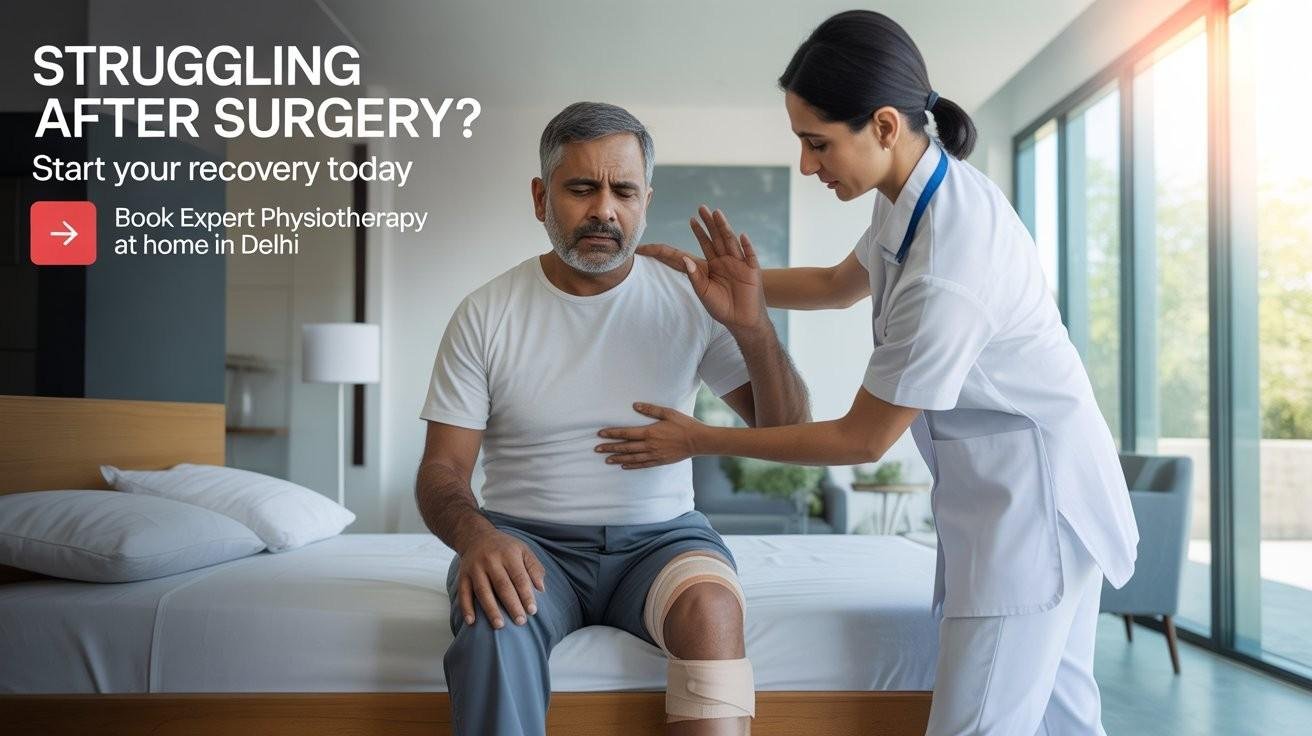
Recovering from surgery can be daunting. You may be in pain, stiff from inactivity, and anxious about returning to normal life. But help is at hand – specialized post-surgery physiotherapy in Delhi can make all the difference. In fact, experts note that “post-surgical physiotherapy is essential for regaining strength, mobility, and function”. Without it, patients risk lingering issues like scar tissue and chronic stiffness. At Physioveda India, experienced physiotherapists offer customized rehab programs to guide you step-by-step from your operation back to everyday activities. Whether you had an orthopedic, abdominal, or neurological surgery, our team provides gentle, evidence-based care (including home visits across Delhi NCR) so you can heal faster and stronger.
Why Post-Surgery Physiotherapy in Delhi Is Important

Skipping rehabilitation after an operation can slow healing and leave you with lasting problems. Physiotherapy after surgery offers significant benefits:
- Pain relief and swelling control: Guided exercises, manual therapy and modalities (like ice, heat or laser) help reduce post-op pain and inflammation. Early gentle movement also boosts circulation to the surgical site, accelerating healing.
- Improved mobility and strength: Therapists design progressive exercises to restore range of motion and rebuild weakened muscles. As one guide explains, rehab “helps the body regain movement, strength, and confidence” after surgery. Regular PT can therefore speed up recovery and prevent chronic stiffness.
- Faster overall recovery: Consistent therapy can get you back to walking, working, or playing sports sooner. A structured rehab plan “accelerates recovery” by preventing complications and teaching you safe ways to move.
- Prevention of complications: Early mobilization and breathing exercises cut the risk of clots or pneumonia after abdominal and chest surgeries. Likewise, techniques to keep scars and joints flexible help avoid long-term restrictions.
Conversely, skipping physiotherapy carries risks. Orthopaedic experts warn that “without physical therapy, the healing process would be much slower, and you may never regain the expected strength or mobility”. Patients who skip rehab often struggle with persistent pain, stiffness, and even higher risk of re-injury. In short, post-op physiotherapy is not a luxury – it’s key to a successful recovery.
Types of Surgeries Covered in Post-Surgery Physiotherapy in Delhi
Physioveda India’s post-surgery rehab programs cover virtually every type of operation. Our experts tailor the therapy to your procedure and goals. Common categories include:
a) General (Abdominal) Surgeries: This includes appendectomy, gallbladder removal, hernia repair and other abdominal procedures. Rehab focuses on core engagement and gentle movement. Typically we start with breathing exercises and light mobility to prevent chest infections and blood clots. As one protocol notes, after abdominal surgery the plan “begins with breathing exercises and gentle limb movements… Gradual walking programs improve stamina and reduce the risk of complications”. Once pain subsides, we add abdominal strengthening (like pelvic tilts) and progressive walks to restore normal activity and reduce back pain.
b) Cardiac & Chest Surgeries: For heart bypass, valve surgery or lung operations, cardiac rehabilitation and chest physiotherapy are crucial. We emphasize deep breathing (incentive spirometry, cough techniques) and early ambulation to expand the lungs and clear secretions. This approach “helps prevent chest infections and improve circulation” after major surgery. The rehab plan then progresses to gentle cardio (stationary bike, treadmill) and arm exercises as tolerated, always monitoring heart rate and blood pressure. These steps rebuild endurance and confidence while protecting the heart.
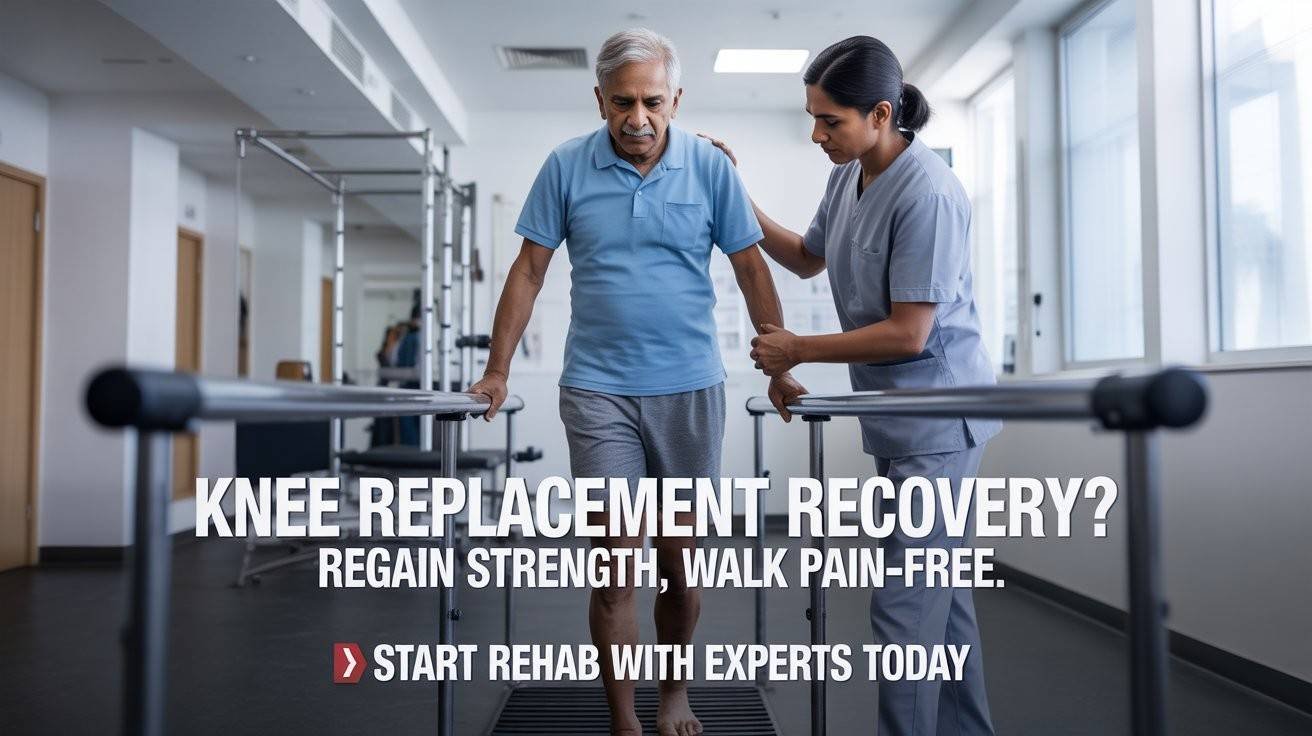
c) Orthopedic Surgeries: This broad category includes fracture repairs, total knee (TKR) or hip (THR) replacements, shoulder replacements, and soft-tissue repairs (ACL tears, rotator cuff repairs, etc.). Early goals are gentle joint movement and protected weight-bearing. For example, after a knee replacement our therapists work on knee flexion, straight-leg raises, and careful gait training. As a rehab guide explains, post-replacement physiotherapy “helps restore walking patterns, balance, and leg strength”. Strengthening exercises for the quadriceps, hips and core follow, along with stair-climbing and balance drills. A recent systematic review emphasizes that “post-operative physiotherapy is a major component of the effectiveness of knee replacement” – underscoring how rehab protocols are needed for the best outcomes. Similar principles apply to hip, shoulder or fracture surgeries: we focus on range of motion (preventing scar contractures), progressive strengthening, and functional retraining (walking or arm function) so you regain independence.
d) Spine Surgeries: After procedures like a slipped-disc discectomy or fusion, core stability and posture become paramount. Physiotherapy emphasizes spine-safe movement and strengthening. Initially we teach safe transfers and short walks; then we introduce back extension exercises and core conditioning. The American Academy of Orthopaedic Surgeons notes that for back surgery recovery, “regular exercise to restore the strength of your back and a gradual return to everyday activities are important for your full recovery”. We guide you through that step-by-step – from pelvic tilts and bridges to ergonomic training – so you protect the healing spine while rebuilding strength.
e) Neurological Surgeries: Surgeries on the brain or spinal cord (e.g., tumor removal, stroke interventions, spinal cord decompression) require specialized neuro-rehabilitation. Our physiotherapists work on retraining motor skills, balance, coordination and gait. Stroke rehab, for instance, focuses on relearning basic movements. One expert summary highlights that physical therapy “helps stroke patients improve their strength, coordination, and balance, laying the foundation for recovery of motor function”. We apply the latest neuro-rehab techniques (including task-specific training, gait training with supports, and robotics if needed) to maximize recovery. Occupational therapy (fine motor skills) and speech therapy are also coordinated when needed.
f) Sports Surgeries: For athletes or active individuals, we support recovery from sports-related surgeries such as ACL/PCL repairs, rotator cuff repairs, meniscal surgeries, etc. Rehabilitation is usually phased with clearly defined goals. For example, after an ACL reconstruction we start with pain/swelling control and gentle knee motion, then gradually load the knee with strength and balance exercises. By 6+ months the focus is on plyometrics and agility drills. A formal ACL protocol describes Phase VI (beyond 6 months) as emphasizing “continue strengthening and proprioceptive exercises… [and] sport-specific drills” to safely return to play. Similarly, for shoulder (rotator cuff) surgeries we begin with pendulum and assisted range exercises to prevent stiffness, then progress to targeted rotator cuff and scapular stabilizer strengthening. As AAOS notes, strengthening shoulder-supporting muscles “helps keep your shoulder joint stable” and prevents re-injury. In all cases, our goal is a safe, complete return to sport or activity.
Phases of Post-Surgery Rehabilitation Physiotherapy in Delhi
Recovery typically unfolds in three phases, each with distinct goals and exercises:
Acute (Immediate) Phase – Weeks 1–4: This is the first few days after surgery. The focus is pain management and gentle mobilization. As soon as medically safe (often within 24–48 hours), therapy begins with light movement. We use techniques to control swelling (ice, elevation, compression) and teach pain-relief strategies (cold, relaxation). Early goals are to prevent stiffness and complications: “the primary goals are to manage pain, control swelling, and prevent stiffness,” notes a rehab guide. Safe exercises like ankle pumps, ankle circles and assisted joint movements also promote circulation and help prevent blood clots. Simple breathing exercises are added to improve lung function, as early ambulation is known to reduce pulmonary complications.
Recovery (Intermediate) Phase – Weeks 4–12: As acute pain eases, therapy shifts to rebuilding strength and function. We introduce progressive resistance exercises to target any muscles weakened by surgery or immobilization. For instance, after swelling subsides we might start light squats or walking with support to strengthen legs, or gentle push-ups and theraband routines for the upper body. The aim is to restore normal muscle balance and endurance. “Progressive resistance exercises target the muscles that were weakened during immobilisation,” explains one guide, and combined with low-impact cardio they “improve endurance”. Patients also relearn daily activities (walking unaided, climbing stairs, sitting with good posture) using proper body mechanics. Maintaining flexibility is critical; therapists use gentle stretches and hands-on techniques to prevent scar tissue from locking a joint. By 8–12 weeks, most patients can handle functional training such as balance exercises, step-ups, and moderate exercise equipment under supervision.
Advanced (Functional) Phase – 3+ Months: In this late stage, rehabilitation becomes more dynamic and intensive. The focus is returning to full, independent activity. Therapy includes advanced strength training, high-level endurance work, and sports- or work-specific drills. For example, someone recovering from knee surgery might perform lunges, leg presses, and agility drills; someone with a shoulder repair might do overhead exercises and resistance band workouts. The goal is to rebuild confidence and performance. As one source describes it, therapy “includes advanced strength training, coordination drills, and endurance exercises,” even simulating job or sport tasks to prepare you for real-life activities. Throughout this phase, progress is carefully monitored. If any stiffness or pain persists, exercises are adjusted. By the end of 3–6 months (or longer for complex cases), patients can usually resume nearly all normal activities.
Signs You Need Post-Surgery Physiotherapy in Delhi
Not sure if you should see a physiotherapist? Here are red flags indicating a need for rehab:
- Unresolved Pain or Swelling: If pain remains severe or swelling persists beyond 1–2 weeks, it’s time for therapy. Persistent inflammation can damage tissues.
- Stiffness or Limited Motion: Increasing stiffness, or a joint that won’t move as far as it should, means your tissues are tightening. Rehab can safely loosen and stretch the joint.
- Weakness or Imbalance: Feeling weaker in the operated limb or falling when you try to walk/climb stairs is a warning sign. Physiotherapy will progressively strengthen muscles and correct gait.
- Difficulty with Daily Tasks: Trouble walking, standing, dressing, or driving compared to before surgery is a cue to start rehab. Even simple activities can become hard without proper retraining.
- Numbness or Tingling: New numbness, tingling or “pins and needles” not present immediately after surgery could indicate nerve issues that physical therapy might help.
- Worsening Symptoms: Any symptoms getting worse instead of better – for example increasing pain or losing range of motion – definitely warrant prompt physiotherapy. As one rehab blog advises, you should seek help if you have “persistent swelling… increasing stiffness or a loss of range of motion, pain that is worsening, or difficulty performing basic movements like walking or climbing stairs”.
If you have any of the above, starting physiotherapy promptly can prevent setbacks. Your surgeon will often recommend beginning therapy early. In Delhi, clinics like Physioveda can arrange sessions within days of most surgeries.
Why Choose Physioveda India for Post-Surgery Physiotherapy in Delhi
At Physioveda India, we combine expert care with a patient-first approach to make your recovery smooth and successful:
- Highly Experienced Physiotherapists: Our team is led by therapists with decades of experience, including specialists trained in orthopaedics, neurology, cardiopulmonary rehab and sports medicine. Many have advanced certifications and keep up with the latest techniques.
- Personalized Rehab Plans: We understand every surgery and patient is different. That’s why we create a custom program for you, tailored to your specific surgery, health, and goals. Whether it’s focus on knee flexion after replacement or core stability after spine surgery, your plan is designed step-by-step for maximum recovery.
- Home Physiotherapy Services: We offer convenient at-home physiotherapy in Delhi NCR. Our therapists come equipped to your home, saving you the pain and effort of travel. Home therapy is especially helpful in the early post-op weeks. This one-on-one care in a familiar setting promotes better compliance and progress.
- Advanced Techniques and Equipment: Physioveda uses modern rehab technology – from electrical stimulation and shockwave therapy to virtual gait analysis and balance systems. These advanced tools, combined with hands-on manual therapy, get you better results faster.
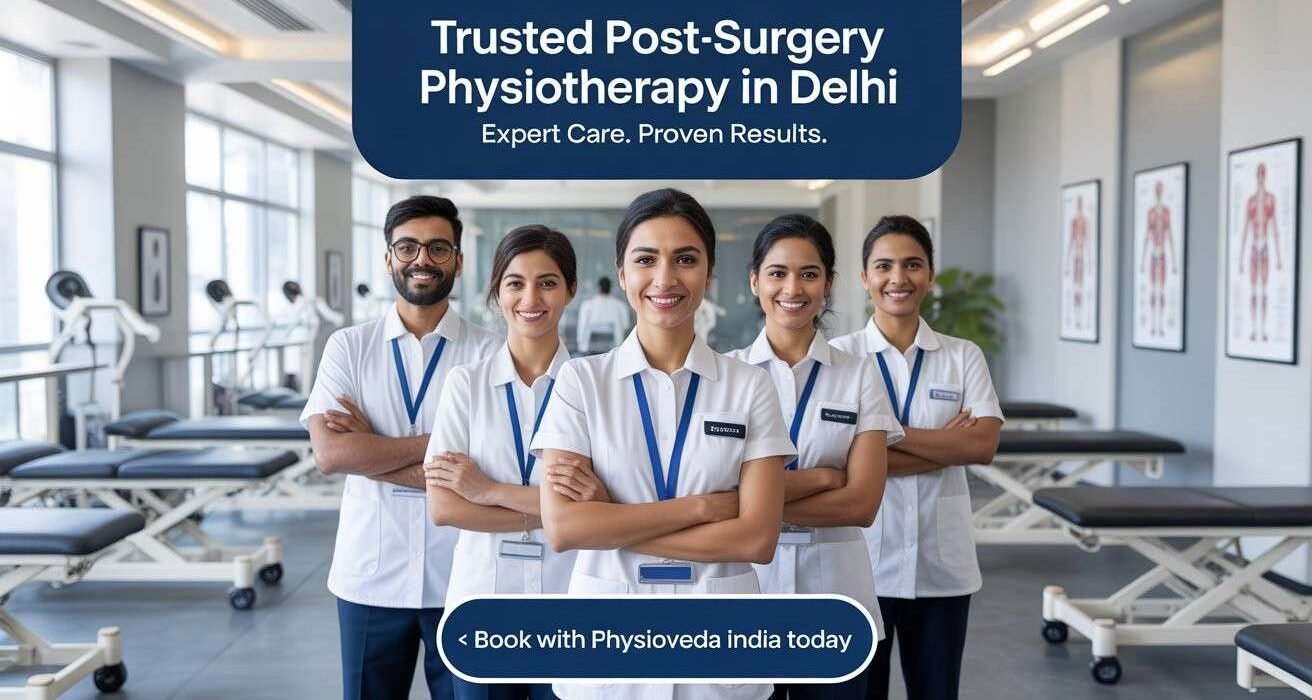
- Proven Outcomes & Trust: Over the years, we’ve helped thousands of patients recover from surgery. Our success stories and positive reviews speak volumes. Patients frequently note how our therapists “take the time to understand [their] needs” and deliver personalized treatment (much like a testimonial that praised our clinic’s “highly skilled therapists” and friendly care). We are proud to be recognized as one of the best providers of post-surgery physiotherapy in Delhi.
When you choose Physioveda India, you join a supportive community focused on healing. We track your progress carefully, educate you about each exercise, and adjust the plan as you improve. Our goal is not just temporary relief, but long-term strength, mobility and confidence in your recovered body.
Home Physiotherapy for Post-Surgery Physiotherapy in Delhi
Recovering at home has many advantages, especially right after surgery. Home physiotherapy means you get all the benefits of rehab without leaving your bedroom. In fact, experts note that traveling to a clinic when you’re post-op “can be painful, exhausting, and sometimes impossible” – whereas a home visit “eliminates this barrier entirely”, bringing therapy to your doorstep.
At-home rehab offers comfort, convenience, and personalized care. One Delhi physiotherapy source highlights that home sessions provide “one-on-one sessions tailored to individual needs” and a familiar environment, which can greatly enhance relaxation and recovery. You save time (no traffic hassles in Delhi!), and there’s added safety and privacy. Our therapists come fully equipped to perform exercises, teach safe mobility techniques (e.g., how to sit/stand or walk with assistance), and even advise on modifying your home setup (like adjusting bed height or bathroom safety) for your recovery.
Moreover, research shows that home-based physiotherapy is particularly effective for post-surgical patients, improving adherence and outcomes. By rehabilitating in your own environment, you can practice tasks exactly as they occur in daily life – for example, navigating your own stairs or kitchen. All these factors combined mean faster and more comfortable recovery at home. At Physioveda India, our home physiotherapy service in Delhi NCR brings this high-quality rehabilitation directly to you, ensuring you stay on track toward healing.
FAQS For Post-Surgery Physiotherapy in Delhi
How soon should I start physiotherapy after surgery?
Is physiotherapy necessary after surgery?
How much does post-surgery physiotherapy cost in Delhi?
Can I recover fully without physiotherapy?
How long does recovery take after surgery?
What if I don’t want to do exercises?
Do you offer home visits for post-surgery patients?
Take the Next Step: Book Your Recovery Today For Post-Surgery Physiotherapy in Delhi
Your surgery was just the first step – now let Physioveda India help you complete the journey to full health. Don’t let post-op pain or fear hold you back. Our expert team in Delhi is ready to guide you with personalized physiotherapy plans, proven techniques, and genuine care. Call or message us today to schedule your first session. Every day counts in recovery – start now to heal faster and stronger. Book your appointment with Physioveda India and take the first step toward regaining mobility and getting your life back!
Read our previous blog physio for shoulder injuries
Visit our Instagram